
Case Applications Header

Dry-hot summers across the Mediterranean
We focus on the production of key crops, like olive oil, which are challenged by a combination of extended dry-hot conditions and wildfires, resulting in harvests of 2022 and 2023 that were much inferior to average, mostly in Spain, Italy, and Greece. We also focus on human health and mortality, and on the separate and joint effects of heatwaves, droughts and wildfires. Decrease in agricultural products, health impacts, wildfires and loss of tourism may all compound to drive intangible damage to culture.
Forest die-back in central and northern Europe
The multi-year interaction of climatic and non-climatic drivers (forest management practices like monoculture of Norway spruce, and environmental phenomena like insect outbreaks) leads, on the one hand, to decreased plant productivity and unprecedented tree mortality, and on the other hand to ecosystem damage and biodiversity loss, and loss of local cooling and water cycling.
Tropical cyclones and heatwaves in the caribbean islands
Hurricanes and heatwaves generate casualties and displacement among residents, damage to buildings, crops and critical infrastructure, and losses to coral reefs and mangroves. Additional key drivers are dense coastal exposure, limited defences and resilience of the infrastructure. Cascading impacts include collapsed power grids, failure of access to water and healthcare infrastructure, reduced tourism and trade, increased insurance payouts, and delays in economic development.
Floods and heatwaves in Senegal
Between 1999 and 2009 flooding affected 170,000 to 900,000 people in Senegal. Floods and heatwaves cause crop and livestock losses, human health impacts and building and infrastructure damage. Non-climatic drivers include land-cover change, deforestation, rapid urbanisation, urban air pollution that aggravates health impacts, and inadequate early-warning systems.
Compounding dry-hot and humid-hot extremes in Punjab
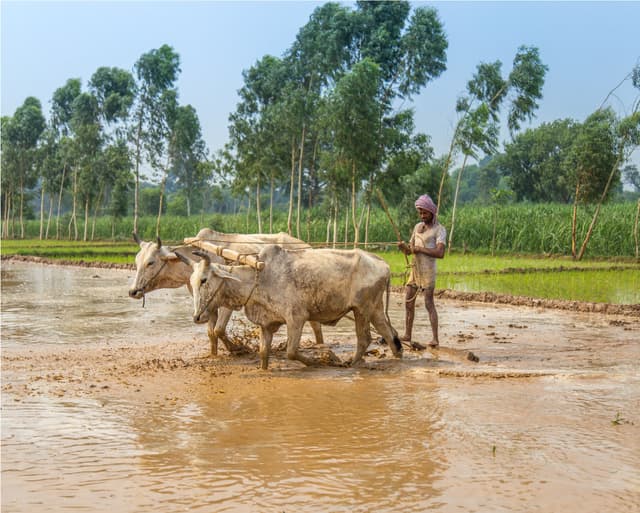
Recurring dryhot extremes drive yield losses in wheat and rice; yields are projected to drop by 20-47% until 2080, even assuming irrigation measures. Humid-hot extremes can be lethal; they raise heat-stress risk and decrease farm-labour productivity. Non-climatic drivers include unsustainable groundwater extraction, poor agricultural water management and water-intensive cropping, and rapid population growth that magnifies exposure.
Concurrent multi-breadbasket harvest failures and cascading food systems shocks
In today's tightly linked trade network, simultaneous harvest failures propagate through global markets: nations dependent on food imports face supply gaps, price spikes trigger food-insecurity crises and social unrest, and humanitarian budgets become stretched. Simultaneous shocks also expose the financial sector, with implications also for operations in the Loss and Damage Mechanisms.