DRIVERS OF HAZARDS
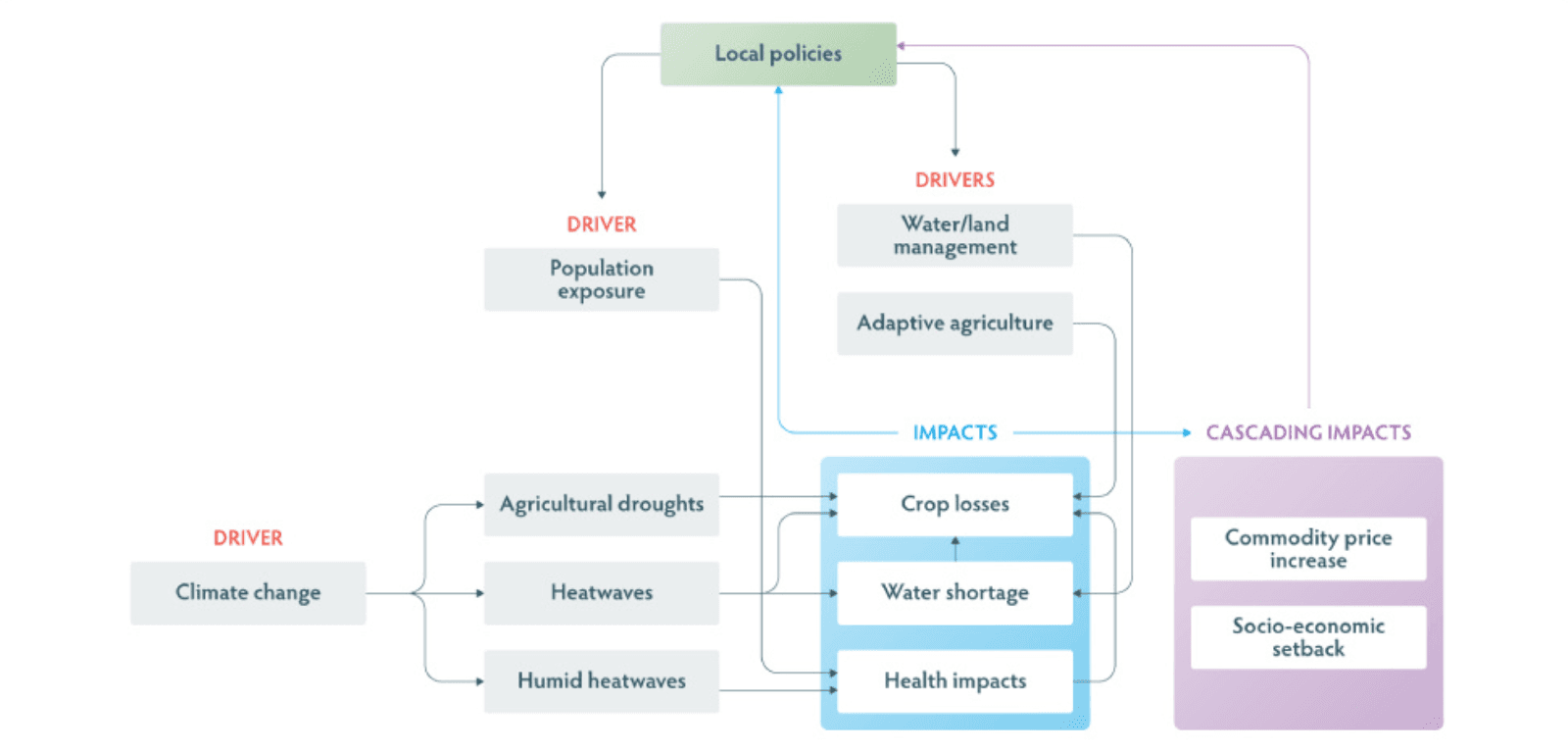
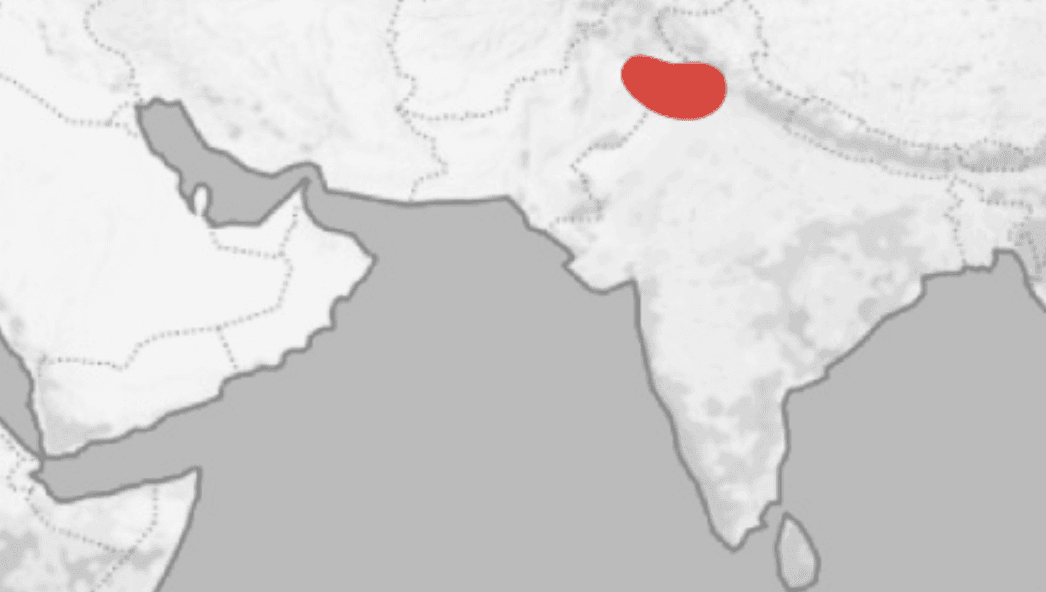
Punjab has seen a 2-3-fold surge in compound dry-hot extremes since the 1976-77 climate shift. A land-atmosphere feedback, the "dry-hot engine", links weak summer monsoon rainfall to soil moisture deficits, declined surface water storage, reduced evaporation and escalating surface heat. Recently, trends of humid-hot extremes are also emerging.
IMPACT PATHWAYS
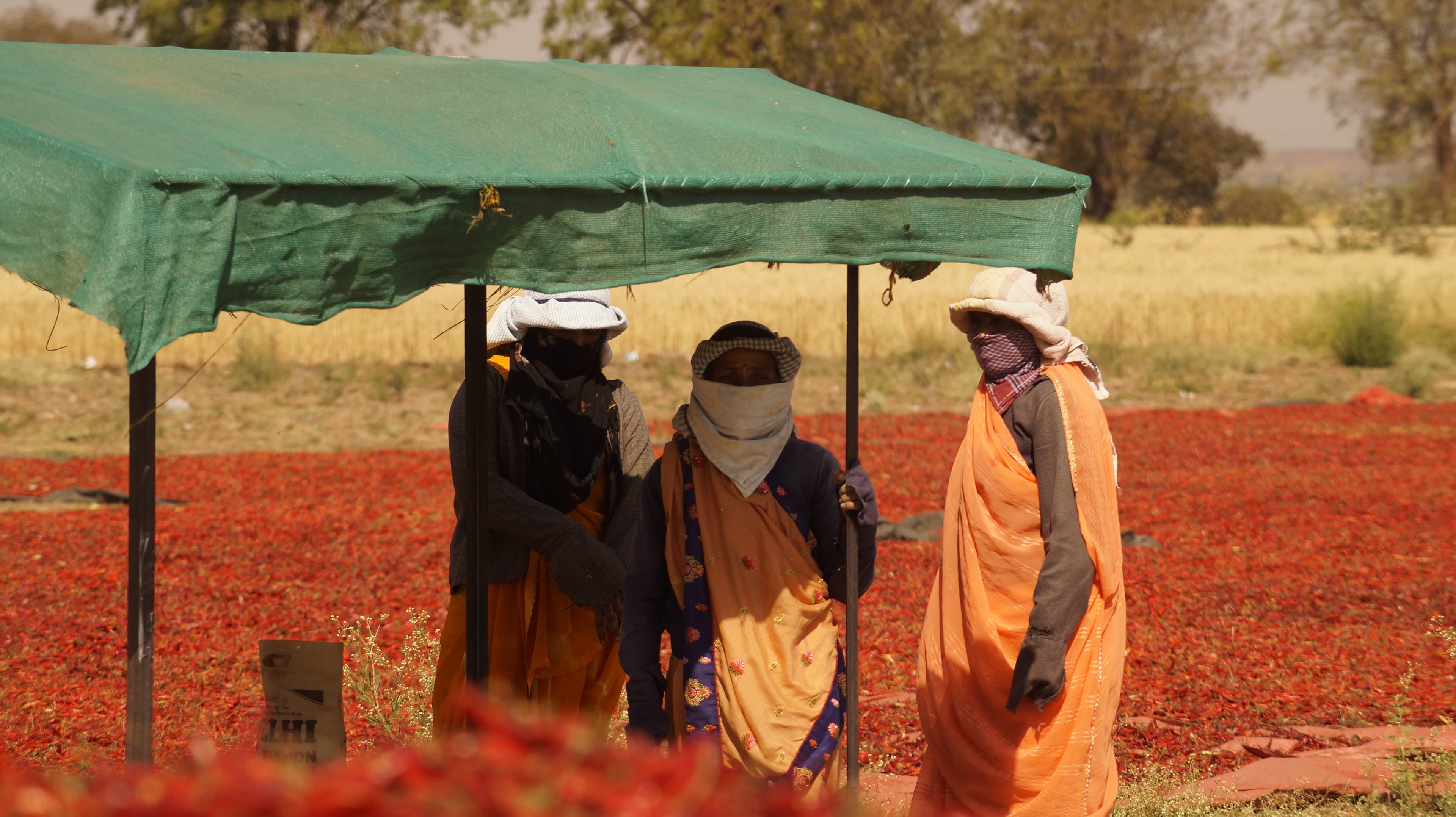
Recurring dryhot extremes drive yield losses in wheat and rice; yields are projected to drop by 20-47% until 2080 (Ministry_of_Agriculture, 2024), even assuming irrigation measures. Humid-hot extremes can be lethal; they raise heat-stress risk and decrease farm-labour productivity. Non-climatic drivers include unsustainable groundwater extraction, poor agricultural water management and water-intensive cropping, and rapid population growth that magnifies exposure.
CASCADING IMPACTS
Falling yields pressure groundwater reserves, lower farm incomes, deepen rural debt, trigger migration, and contribute to the phenomenon of farmer-suicide. Production shocks in Punjab ripple through India's grain markets and into global supply chains: the EU alone sourced €3.3 billion of Indian agri-imports in 2023. Lower exports tighten world stocks, inflate prices and undermine food-security.
MAIN CHALLENGE AND LESSON
Addressing compounding dry-hot and humid-hot extremes requires an attribution framework capable of handling complexity: combining - through network tools - crop-hydrology models, linking regional groundwater mismanagement and crop choices with solution in early warnings, improved water management and informed food policies at national and international levels.
KEY STAKEHOLDERS
GIZ India, People's Science Institute (IN).
DRIVERS OF HAZARDS
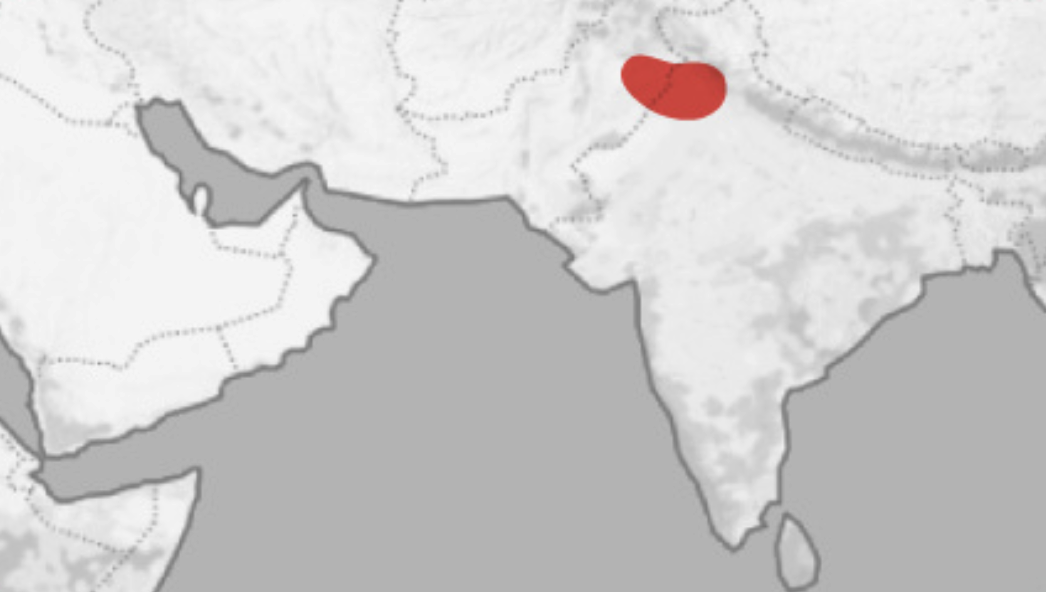
Punjab has seen a 2-3-fold surge in compound dry-hot extremes since the 1976-77 climate shift. A land-atmosphere feedback, the "dry-hot engine", links weak summer monsoon rainfall to soil moisture deficits, declined surface water storage, reduced evaporation and escalating surface heat. Recently, trends of humid-hot extremes are also emerging.
IMPACT PATHWAYS
Recurring dryhot extremes drive yield losses in wheat and rice; yields are projected to drop by 20-47% until 2080 (Ministry_of_Agriculture, 2024), even assuming irrigation measures. Humid-hot extremes can be lethal; they raise heat-stress risk and decrease farm-labour productivity. Non-climatic drivers include unsustainable groundwater extraction, poor agricultural water management and water-intensive cropping, and rapid population growth that magnifies exposure.
CASCADING IMPACTS
Falling yields pressure groundwater reserves, lower farm incomes, deepen rural debt, trigger migration, and contribute to the phenomenon of farmer-suicide. Production shocks in Punjab ripple through India's grain markets and into global supply chains: the EU alone sourced €3.3 billion of Indian agri-imports in 2023. Lower exports tighten world stocks, inflate prices and undermine food-security.
MAIN CHALLENGE AND LESSON
Addressing compounding dry-hot and humid-hot extremes requires an attribution framework capable of handling complexity: combining - through network tools - crop-hydrology models, linking regional groundwater mismanagement and crop choices with solution in early warnings, improved water management and informed food policies at national and international levels.
KEY STAKEHOLDERS
GIZ India, People's Science Institute (IN).