Climate change is making extreme events such as floods, heatwaves and droughts more frequent and severe in many parts of the world. But disasters are rarely caused by climate alone.
For example, a flood becomes much more damaging when infrastructure is built in flood-prone areas, wetlands are lost, or vulnerable communities lack the resources to recover. These factors can also interact and trigger further problems that spread across communities, economies and ecosystems.
We work to understand the full picture behind climate-related disasters.
We bring together climate science, data about people and places, and knowledge about how societies prepare for and respond to disasters. This helps us understand what caused a disaster, who and what was affected, how different factors contributed to the impacts, and what might happen in the future.
Our goal is simple: to help societies understand why climate-related disasters happen, anticipate how their impacts may unfold, and make better decisions to reduce harm and build resilience.
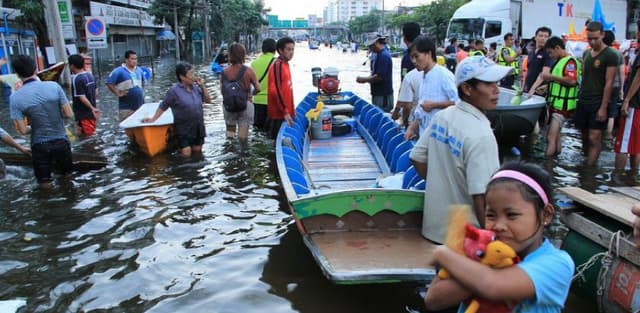
Climate change is changing the risks that people, communities and economies face. But the impacts of a flood, drought or heatwave depend on much more than the weather: where people live, how land and water are managed, and how prepared communities are all make a difference.
Understanding these connections helps us prepare before disaster strikes.
CLOSER turns complex information about climate, people and places into knowledge that can support better decisions. By understanding where risks come from, who is most affected, and how impacts can spread, we can help communities and policymakers anticipate risks, reduce harm and build greater resilience to a changing climate.
How we discovered the moon.
How we discovered the moon.